In November 22, 1925, Guo Songling led 70,000 troops in Luanzhou to turn against the Feng faction, aiming to overthrow the rule of Zhang Xueliang and his father in Fengtian. The reasons behind Guo Songling’s rebellion can be attributed to both internal and external factors. Internally, Guo had followed Sun Yat-sen in his early years, believed in the Three Principles of the People, and was determined to serve his country, opposing betrayal and surrender. Externally, the military united front work of the Chinese Communist Party played an extremely important role. Why do I say this? First, in terms of theory, Li Dazhao was the first to propose that it was necessary to rely on one’s own army to overthrow the warlords' rule. His exact words were: To completely overthrow the warlords, we must rely on revolutionary progressive armies, opposing and fighting against the warlord forces. We must wait for the right opportunity, take advantage of the warlords’ infighting, and eliminate them in the process.
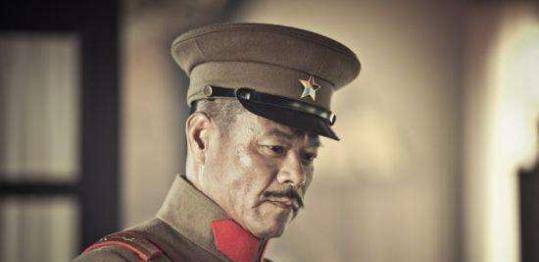
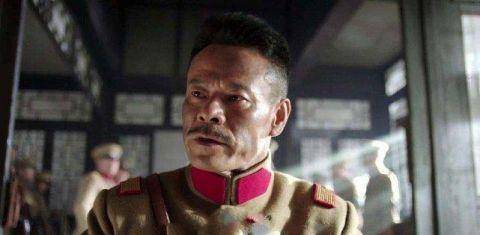
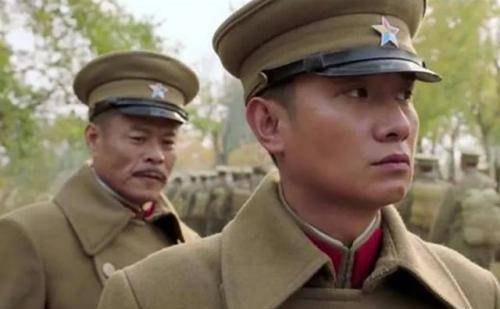
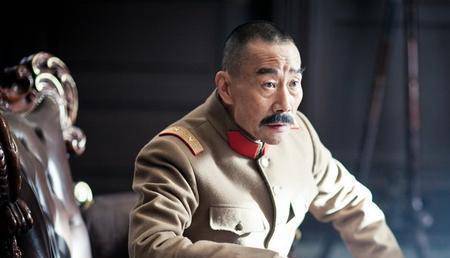
**Third: Alliance Collapse** In the fall of 1925, while visiting Japan to observe military drills, Guo Songling became dissatisfied with Zhang Zuolin’s signing of unequal treaties with Japan. He then reached a cooperation agreement with Feng Yuxiang, representing Han Fuchu. Upon returning to China, Guo and Feng solidified the Guo-Feng Secret Pact on November 22 of the same year, and invited Li Jinglin to join, forming a new anti-Feng alliance. However, this alliance wasn’t as solid as the outside world thought. The three had their own agendas, and the alliance was effectively a paper agreement. Later, Guo Songling also hoped to rally support from his former students at the Beida Camp, but since their families were controlled by Zhang Zuolin in Fengtian, they had little impact on the anti-Feng campaign. However, one person’s joining could have been a turning point for the anti-Feng campaign—he was Kan Chaoxi. But Guo did not accept his troops, since Kan had previously been promoted by Zhang Zuolin. This missed opportunity directly led to Guo’s isolation during the campaign. This also revealed Guo’s narrow-mindedness, as he appeared to harbor resentment against anyone connected to Zhang Zuolin, further contributing to his failure. **Fourth: Japanese Intervention** After the anti-Feng war began, the Japanese Kwantung Army closely monitored the situation and was initially undecided on whether to intervene. However, after weighing the pros and cons, Japan decided to support Zhang Zuolin, reasoning that as long as Zhang remained in power, everything could be negotiated. Zhang Zuolin promised Japan favorable conditions after the war. To safeguard and expand Japan’s interests in the Northeast, the Kwantung Army supported Zhang ZuoLin by issuing warnings to Guo’s army and sending Korean troops to intimidate him. Japan’s intervention saved the struggling Zhang Zuolin and the Fengtian warlords, ultimately leading to Guo’s failure. The above are the key reasons for the failure of Guo Songling’s anti-Feng campaign.


